
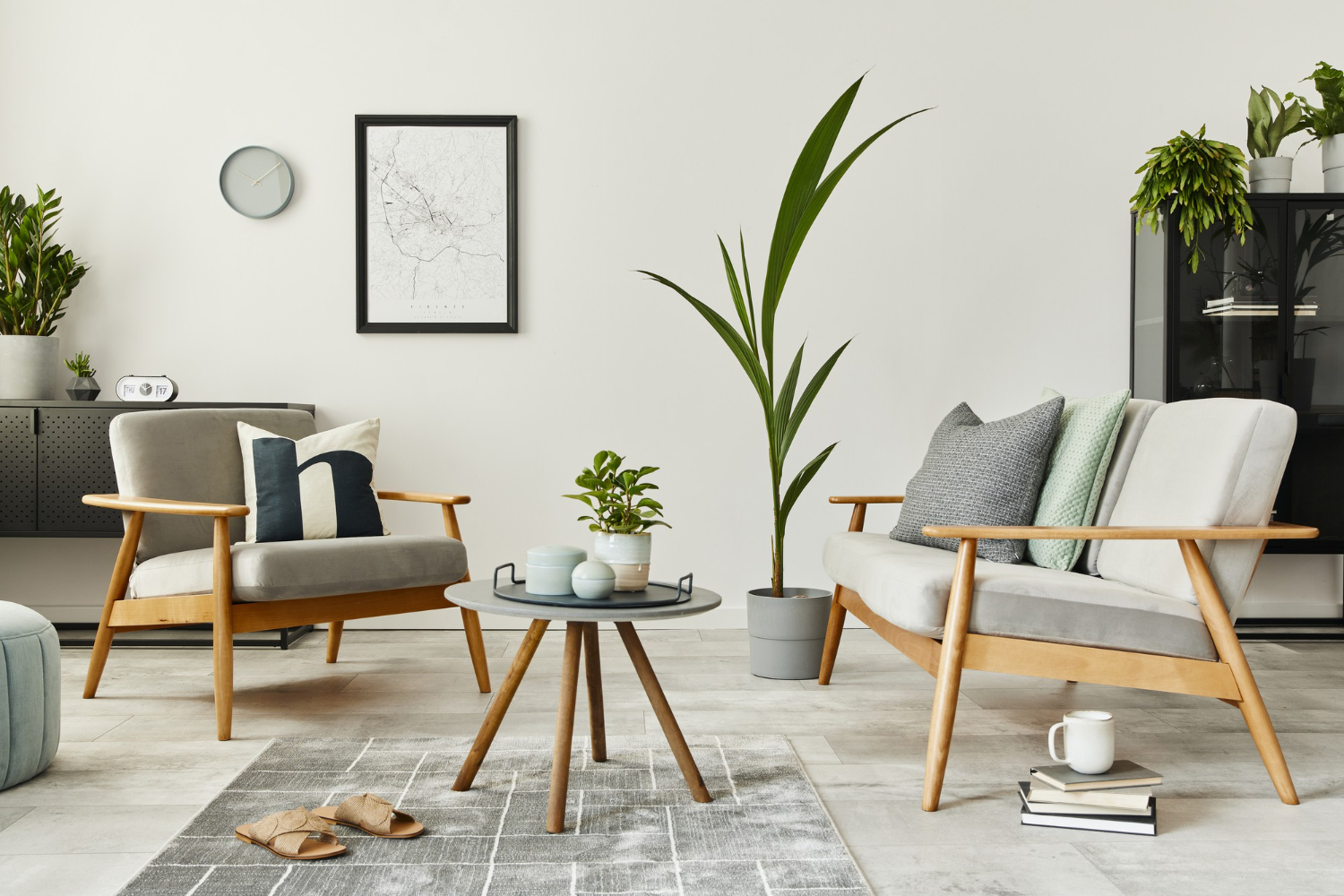
Furniture is often treated as a finishing layer. Walls go up, flooring is done, lighting is installed, and then furniture is selected to “fill the space.” This sequence is where many homes begin to struggle. Furniture is not a decorative afterthought. It is the element that controls how a home functions every single day.
In Delhi NCR homes, where square footage is limited and expectations from space are high, poorly planned furniture shows its flaws quickly. Walkways feel tight. Storage overflows. Rooms start doing too many jobs without the support to handle them. Over time, these small inefficiencies add up.
Thoughtfully designed furniture solves this at the planning stage. It aligns storage, movement, and use patterns so daily living feels easier, quieter, and more predictable.
Everyday Living Is Shaped by Furniture, Whether Planned or Not
Furniture determines how people move through a space, where objects accumulate, and how much effort daily routines require. A poorly sized dining table can block circulation. An unplanned wardrobe can force overflow into other rooms. Cabinets without internal logic create clutter even when doors are shut.
These problems rarely come from bad craftsmanship. They come from furniture being designed in isolation.
When furniture planning is integrated with interior layouts, the home works as a system. Circulation stays clear. Storage stays contained. Visual order improves without constant effort. Over time, this reduces friction and improves how the home feels on an everyday level.
What “Thoughtfully Designed” Actually Means in Interior Design
Thoughtful design is not about complexity. It is about relevance.
It Starts With Space, Not With a Product
Furniture must respond to the room before it responds to style. This includes:
- Wall lengths and ceiling heights
- Door swings and window placement
- Structural columns and beams
- Natural movement paths
When furniture is planned after these factors are understood, it fits without forcing compromises later.
Design Based on Use, Not Just Appearance
Thoughtful planning looks at how often something is used and by whom. Daily items are placed within easy reach. Seasonal or occasional storage is planned higher or deeper. This is what turns custom furniture into a functional tool rather than a visual feature.
When done correctly, custom-made furniture reduces daily decision-making and keeps spaces organized with less effort.
Why Custom Furniture Works Better for Delhi NCR Homes
Most Delhi NCR apartments share similar constraints. Compact layouts, fixed structural grids, and limited storage flexibility are common. Ready-made furniture is rarely designed for these realities.
Custom solutions allow furniture to:
- Use full wall heights without wasted gaps
- Wrap around columns and corners cleanly
- Combine multiple functions into a single unit
- Preserve circulation while increasing storage
This is why custom furniture consistently performs better in urban homes than standard-sized alternatives.
Custom Furniture vs Ready-Made Furniture: A Practical Comparison
The difference is not about luxury or cost alone. It is about alignment with the space.
Ready-made furniture
- Fixed dimensions
- Limited internal planning
- Often oversized or underutilized
- Easier to buy, harder to live with
Custom made furniture
- Designed to exact room dimensions
- Storage planned by usage patterns
- Integrated with finishes and layout
- Fewer adjustments over time
For homeowners planning to stay long-term, custom made furniture usually proves more efficient and predictable.
Where Custom Furniture Improves Daily Life the Most
Living Rooms
Living rooms often carry the most functions. Seating, media, storage, and circulation all compete for space. Custom media units and storage walls help control clutter without spreading it across the room.
Well-planned units:
- Conceal wiring and devices
- Maintain clear walkways
- Balance open and closed storage
- Keep the room visually calm
Bedrooms and Wardrobes
Storage problems are most visible in bedrooms. A custom wardrobe allows internal planning based on real needs, not generic divisions.
Effective wardrobe planning considers:
- Clothing types and quantities
- Accessories, bags, and footwear
- Seasonal rotation
- Luggage and linen storage
A properly designed custom wardrobe continues to function well years after installation, even as storage needs evolve.
Kitchens and Utility Areas
Kitchens demand accuracy. Storage must support workflow, cleaning, and durability. Custom cabinets allow zoning for cooking, prep, cleaning, and storage without awkward gaps.
In utility areas, thoughtful planning prevents moisture exposure and improves long-term maintenance.
Custom Office Furniture for Homes and Workspaces
Work-from-home setups are now permanent for many households. Improvised desks and dining table workstations create long-term issues, both physical and spatial. Custom office furniture addresses this by integrating work zones into the home without disrupting daily living.
Why Ready-Made Desks Often Fall Short
- Incorrect desk heights lead to posture strain
- No cable management causes visual clutter
- Insufficient storage spreads documents across the home
- Temporary setups blur work and rest boundaries
What Thoughtful Office Furniture Planning Includes
- Desk height aligned with seating ergonomics
- Dedicated storage for devices, files, and stationery
- Concealed cable routing and power access
- Visual separation within shared rooms
Where Custom Office Furniture Works Best
- Compact apartments with no spare room
- Bedrooms that double as workspaces
- Living areas requiring discreet work zones
- Small professional offices needing efficient layouts
When planned correctly, custom office furniture supports focus during work hours and disappears visually when the day ends. Over time, this separation improves productivity and comfort without requiring additional rooms.
Cabinets, Storage Units, and Built-Ins: Why the Maker Matters
Execution quality determines whether furniture performs or deteriorates. Experienced cabinets makers understand alignment, load distribution, and long-term wear. Precision matters most in components that are used daily.
Key execution factors include:
- Accurate panel alignment
- Load-rated hinges and drawer systems
- Even weight distribution across shelves
- Accessible construction for future adjustments
Skilled cabinets makers also plan for maintenance. Hardware can be adjusted. Panels can be accessed. Finishes age evenly instead of failing in patches. This level of control is difficult to achieve without experience and coordination with interior planning.
Materials, Hardware, and Finish Choices That Affect Daily Use
Material decisions influence how furniture performs over time, not just how it looks on installation day. Different zones in a home face different conditions, and thoughtful planning reflects that.
Material Selection by Usage Zone
- Bedrooms prioritize stability and finish consistency
- Kitchens and utilities require moisture resistance
- Living areas balance durability with appearance
Using the same material specification across all zones often leads to premature wear in high-stress areas.
Why Hardware Quality Matters More Than It Seems
Hardware determines how furniture feels after years of use. Poor-quality hinges sag. Drawer channels lose alignment. Doors stop closing cleanly.
High-quality hardware ensures:
- Smooth operation over time
- Load-bearing reliability
- Minimal need for repairs
- Consistent alignment
Finish Choices and Maintenance
Finishes should be selected based on cleaning habits and exposure, not just appearance. Some finishes show wear quickly in high-touch areas. Others hide aging better.
Thoughtful finish selection reduces visible wear and lowers maintenance effort over the long term.
The Artistry Casa Approach to Custom Furniture Design
At Artistry Casa, furniture is planned as part of the interior architecture, not added later. Layouts are resolved before dimensions are finalized. Storage logic is aligned with real routines. Visual balance is considered alongside function.
The process includes:
- Interior-led furniture planning
- 3D visualization before execution
- Coordinated material and hardware selection
- Controlled fabrication and installation
This approach ensures custom furniture integrates seamlessly into the space rather than competing with it.
Who Custom Furniture Is Right For, and Who It Isn’t
Custom solutions work best for homeowners who value long-term usability and predictability. They are ideal for people who want their homes to function consistently without constant rearranging.
Custom Furniture Is a Good Fit If
- You plan to stay in the home long-term
- Storage needs are specific or high
- Layouts are compact or irregular
- You want furniture aligned with daily routines
It May Not Be the Right Choice If
- The space is temporary or short-term
- Flexibility is more important than optimization
- Budget priorities favor quick replacement over longevity
Being clear about this upfront helps set realistic expectations and leads to better outcomes.
Furniture That Supports Daily Life, Not Just Day-One Looks
Well-designed furniture does not demand attention. It quietly supports routines, keeps spaces organized, and reduces friction over time. When furniture is planned with intent, homes feel easier to live in without constant adjustment.
That is the real impact of thoughtful design.
Plan Your Custom Furniture the Right Way
If you are planning interiors in Delhi NCR and want furniture designed around how you actually live, not just how it looks, work with a team that treats furniture as part of the interior, not an afterthought.
Speak with Artistry Casa to plan custom furniture, wardrobes, cabinets, and workspaces that hold up in daily use.
Book a consultation and start with clarity.