
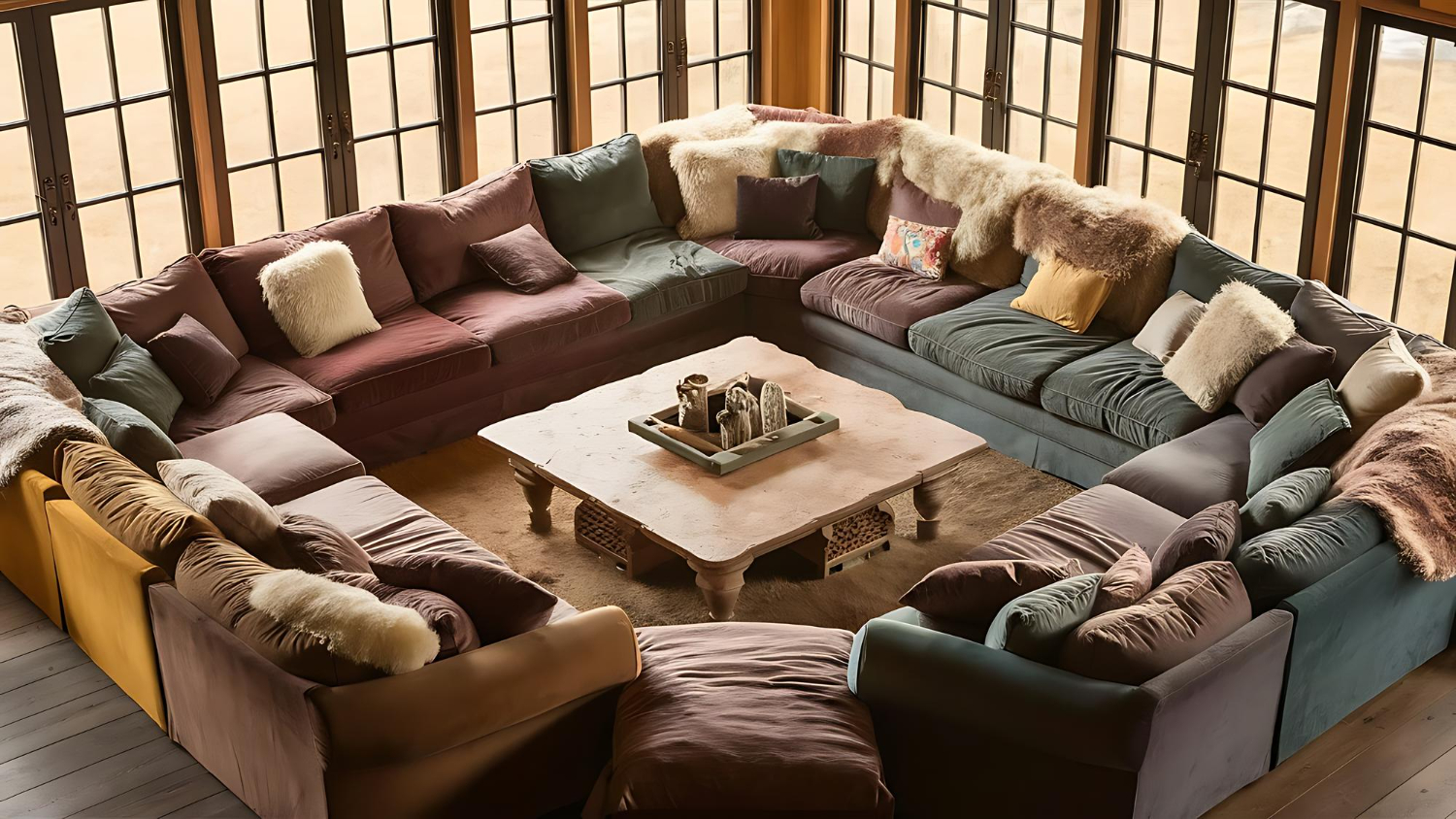
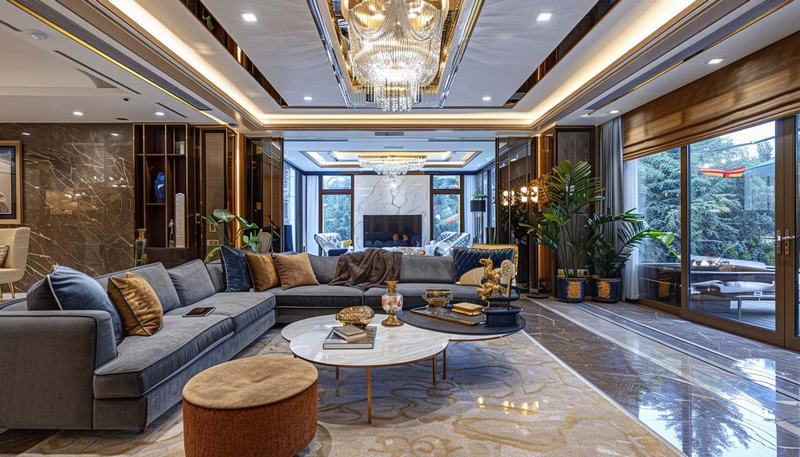
Modern homes are not failing because of poor taste. They fail because critical design decisions are made too late, or not made at all. In Delhi NCR, where apartments, builder floors, and villas come with fixed structural constraints, interior design is less about decoration and more about planning. Layout, storage, and lighting determine whether a home feels calm or chaotic, efficient or compromised.
Experienced Interior Designers in Delhi NCR approach modern homes as living systems. Every decision affects another – how you move through the space, where you store daily essentials, how light behaves from morning to night. This guide breaks down these fundamentals clearly, without trends or surface-level advice, so homeowners understand what actually shapes a well-functioning modern home.
What “Modern Interior Design” Actually Means in Indian Homes
Modern interior design is often misunderstood as minimal furniture, neutral colors, or imported aesthetics. In Indian homes, especially across Delhi NCR, modern design is defined by how effectively a space supports daily life.
A modern home prioritizes:
- Clear movement paths
- Logical room relationships
- Storage that reduces visual noise
- Lighting that adapts to use, not just appearance
Unlike magazine layouts, Indian homes deal with shared family living, seasonal storage needs, varying daylight access, and long-term wear. This is why seasoned Interior Designers and Decorators in Delhi NCR focus less on visual themes and more on structure, including how spaces are planned, how they connect, and how they age over time.
Modern design, in this context, is not about removing elements. It is about placing the right elements where they belong.
Layout Planning – The Foundation Most Homes Get Wrong
Circulation Before Furniture
A layout should be planned around movement before anything else. Yet many homes are designed furniture-first, resulting in blocked pathways, awkward corners, and cramped transitions.
Good circulation means:
- Clear entry points into each room
- Unobstructed movement between key areas
- Adequate space around frequently used furniture
When circulation is ignored, even large homes feel uncomfortable. This is why a professional interior company in Delhi NCR begins layout planning by mapping daily movement, how residents enter, move, pause, and exit spaces.
Open Plans vs Defined Zones
Open layouts are popular, but they are not universally suitable. In compact apartments, openness can improve daylight and visual scale. In larger homes, it can create acoustic issues and a lack of privacy.
The solution is not choosing between open or closed plans, but zoning:
- Visual separation without physical barriers
- Lighting and ceiling levels to define areas
- Furniture placement that guides use
A well-zoned layout feels open where it should and contained where it must.
Kitchen, Living, and Bedroom Relationships
Poor adjacency planning leads to daily friction. Kitchens placed too far from dining areas, bedrooms opening directly into living rooms, or bathrooms positioned without privacy buffers all affect comfort.
Modern layout planning ensures:
- Logical proximity between related spaces
- Noise control between active and private zones
- Efficient service access without visual disruption
Storage Planning – Why “More Storage” Is the Wrong Goal
Storage is often treated as an afterthought, added wherever space remains. In Indian homes, this approach fails quickly.
Storage That Matches Indian Living Patterns
Homes here store more than clothes. Seasonal bedding, festival items, bulk groceries, cleaning equipment, footwear, and utility supplies all require space. Without planned storage, clutter spreads into living areas.
Effective storage planning considers:
- Frequency of use
- Accessibility
- Visual impact
This is where professional Interior Designing Services Delhi NCR differ from generic solutions. Storage is distributed across the home instead of concentrated into oversized wardrobes.
Built-In vs Modular Storage
Modular systems work well for standard needs, but they have limits. Irregular walls, structural columns, and non-standard ceiling heights often require custom solutions.
Built-in storage:
- Maximizes awkward spaces
- Integrates seamlessly with architecture
- Ages better visually
The decision should be functional, not brand-driven.
Storage as a Visual and Lighting Tool
Excessive open shelving absorbs light and adds visual clutter. Poorly placed cabinets block natural light paths. Storage planning directly affects how bright and calm a home feels.
Good storage design reduces what the eye sees and allows lighting to work effectively.
Lighting Design – Beyond Fixtures and False Ceilings
Lighting is not about how many fixtures are installed. It is about how light supports activities throughout the day.
Natural Light Comes First
Daylight availability depends heavily on layout. Deep rooms, blocked openings, and poor zoning reduce usable daylight. No amount of artificial lighting fully compensates for this.
This is why experienced Interior Designers in Delhi NCR consider window orientation, room depth, and partition placement early in the design process.
Layered Lighting Explained Simply
Every room requires three layers:
- Ambient lighting for overall visibility
- Task lighting for specific activities
- Accent lighting for depth and focus
Most homes overuse spotlights and underuse task lighting. The result is glare without comfort.
Common Lighting Mistakes
- Too many ceiling lights, too few functional ones
- Poor switch placement
- Ignoring shadows created by furniture and cabinetry
Lighting should respond to how rooms are used, not how they look in isolation.
How Layout, Storage, and Lighting Work Together
These three elements cannot be designed separately. A layout decision affects storage placement. Storage affects light flow. Lighting influences how space is perceived.
For example:
- Poor storage leads to clutter, which reduces effective lighting.
- Poor layout blocks daylight, increasing reliance on artificial light.
- Poor lighting exaggerates spatial flaws.
Skilled Interior Designers and Decorators in Delhi NCR plan these elements as a system. This integrated approach is what separates functional homes from visually impressive but uncomfortable ones.
Where Interior Projects Break Down – and How to Avoid It
Most interior projects do not fail because of design disagreements. They fail due to coordination gaps.
Common breakdown points include:
- Undefined responsibility between designers and contractors
- Late-stage changes caused by incomplete planning
- Poor alignment between drawings and site execution
When no single party owns the outcome, clients absorb the cost, financially and mentally. A reliable Interior Company in Delhi NCR avoids this by locking decisions early, coordinating trades closely, and resolving site conditions before they become delays.
Avoiding these issues requires structure, not shortcuts.
Why Artistry Casa Approaches Modern Homes Differently
Artistry Casa treats interior design as a planning-led discipline. Every project begins with understanding how the home will be used, not how it should look on day one.
Their approach integrates:
- Layout logic grounded in daily movement
- Storage planned around real household needs
- Lighting designed for function, comfort, and longevity
By aligning design and execution, Artistry Casa delivers Interior Designing Services Delhi NCR that reduce rework, control timelines, and produce homes that remain practical long after handover.
Speak to Designers Who Plan Before They Decorate
If you are planning a new home or renovation, surface-level styling will only take you so far. What matters is how your space works, every day, for years.
Connect with Interior Designers in Delhi NCR who understand layout discipline, storage logic, and lighting systems. Work with Interior Designers and Decorators in Delhi NCR who take responsibility for planning and execution, not just visuals. Choose Interior Designing Services Delhi NCR that prioritize clarity over trends.
Speak with Artistry Casa to plan a home that functions as well as it looks.